.jpg)

Role of Chairside Screening for Blood Pressure, Blood Glucose, and Related Indicators in Integrating Primary Care and Dentistry: A Narrative Review
Aparnaa Upadhyaya1,2*  and Jacqueline Brown1,2
1Department of Dentistry, Erlanger Community Health Center, Chattanooga, Tennessee USA .
2Department of General Dentistry, College of Dentistry, University of Tennessee Health Science Center, Memphis, Tennessee USA .
Chairside screening in dental settings is emerging as a practical strategy for strengthening integration between oral health services and primary care. Many patients attend dental visits more regularly than medical visits, creating opportunities for opportunistic detection of undiagnosed or poorly controlled chronic conditions such as hypertension and dysglycemia. Evidence from dental clinics, public systems, and safety-net settings suggests that blood pressure screening and chairside glycemic testing can identify previously unrecognized risk, are generally acceptable to patients, and can trigger referral to primary care when supported by clear workflows. This review summarizes the rationale, current evidence, implementation models, barriers, and policy implications of chairside testing for blood pressure, blood glucose, glycated hemoglobin, and selected related indicators in dental practice. It argues that targeted screening in dental care should not be viewed as a shift away from dentistry, but as an extension of whole-person, risk-based oral healthcare.
Copy the following to cite this article:
Upadhyaya A, Brown J, Role of Chairside Screening for Blood Pressure, Blood Glucose, and Related Indicators in Integrating Primary Care and Dentistry: A Narrative Review. Enviro Dental Journal 2026;8(2).
Copy the following to cite this URL:
Upadhyaya A, Brown J, Role of Chairside Screening for Blood Pressure, Blood Glucose, and Related Indicators in Integrating Primary Care and Dentistry: A Narrative Review. Enviro Dental Journal 2026;8(2). Available here: https://bit.ly/4we7FO5
Citation Manager

Introduction
Oral health is inseparable from general health, yet dental and medical care continue to function in largely disconnected systems. The World Health Organization has emphasized that oral diseases remain one of the most common global health burdens.¹ These conditions share major modifiable risk factors with noncommunicable diseases such as cardiovascular disease and diabetes.² Contemporary policy literature increasingly frames integration of oral healthcare into general healthcare as essential to improving prevention, equity, and whole-person care.²
The dental setting offers a valuable point of contact for such integration. Many individuals seek dental care but do not engage consistently with primary care.²,³ This creates opportunities for detection of asymptomatic conditions such as hypertension during dental visits.?,?
Dental visits also provide opportunities for identifying prediabetes and other metabolic risks.?,?
Diabetes presents a particularly strong oral-systemic relationship, with bidirectional links between periodontal disease and glycemic control. Recent studies in safety-net settings demonstrate that chairside HbA1c testing can identify substantial rates of undiagnosed dysglycemia.? These findings support the role of dental settings in risk detection and referral.
This narrative review examines the role of chairside screening for blood pressure, blood glucose, glycated hemoglobin, and related indicators in supporting integration of dentistry and primary care.
Rationale and Objective
Despite increasing recognition of oral–systemic health relationships, the practical role of dental settings in chronic disease screening remains inconsistently implemented. Recent studies have reported encouraging results regarding blood pressure and diabetes screening in dental environments, yet questions remain regarding feasibility, professional acceptance, referral pathways, and sustainability.
The objective of this narrative review is to critically evaluate the evidence regarding chairside screening for blood pressure, blood glucose, HbA1c, and related cardiometabolic indicators in dental settings, and to examine their role in promoting medical–dental integration, improving risk identification, and supporting whole-person care.
Areas Covered
This review addresses five broad themes: the rationale for opportunistic screening in dental settings; the evidence supporting chairside blood pressure and diabetes-related testing; the role of screening in medical–dental integration; practical implementation models including referral pathways and coding; and the barriers, policy supports, and future directions needed to make such efforts sustainable.
The review emphasizes that chairside screening should not be viewed as a diagnostic activity within dental practice. Rather, it should be understood as a risk-identification and referral strategy that supports safer dental care, reinforces oral-systemic health messaging, and connects patients with primary care when abnormal findings are identified.²,³
Methodology
This study followed a structured narrative review methodology. Literature was identified through searches of PubMed, Scopus, and Google Scholar. Searches were limited to English-language publications from January 2015 through June 2026.
Search terms included “chairside screening,” “blood pressure screening dentistry,” “hypertension dental practice,” “diabetes screening dental,” “HbA1c dental office,” “oral-systemic health,” and “medical–dental integration.”
Eligible publications included original research studies, implementation projects, surveys, feasibility studies, systematic reviews, narrative reviews, and professional guidelines relevant to screening activities within dental settings.
Articles were selected based on relevance to the review objectives, methodological quality, and applicability to clinical implementation. Findings were synthesized thematically, with emphasis on hypertension screening, glycemic screening, patient and provider perceptions, implementation barriers, referral pathways, and integrated-care models.
Because of heterogeneity in study designs, populations, and outcome measures, quantitative meta-analysis was not performed.
Expert Opinion
Chairside screening can become one of the most practical operational bridges between oral healthcare and primary care. In its strongest form, it does not blur professional boundaries. Instead, it leverages dentistry’s repeated patient contact to identify risk, provide patient education, and trigger medical referral when needed. This is especially relevant for underserved, safety-net, and medically fragmented populations in whom a dental visit may be one of the few regular healthcare encounters.
However, screening alone is not integration. The true value lies in the workflow surrounding the result. This includes a validated measurement process, a structured patient explanation, clear referral thresholds, documented communication, and feedback from medical partners when possible.
For this reason, blood pressure screening is likely the most feasible near-universal first step for dental practices?. Glycated hemoglobin and blood glucose testing are more appropriate for targeted high-risk patients and public-health settings.? These approaches are particularly effective in clinics with established referral relationships and care coordination systems.?
Why the Dental Setting Is Appropriate for Opportunistic Health Screening
The rationale for screening in dental settings is grounded in both access and biology. From an access perspective, dentists and dental hygienists often see patients regularly over long periods. In some cases, they see patients more consistently than medical clinicians. This creates opportunities to identify risk during asymptomatic stages of disease, including hypertension.?
It also allows earlier recognition of prediabetes and metabolic risk before complications occur.?,?
From a biological perspective, oral health and systemic health are closely connected. These connections operate through shared behavioral risk factors such as diet, tobacco use, and physical inactivity.¹ They are also mediated through inflammatory pathways that link oral disease to systemic conditions.¹These relationships are particularly significant in diabetes and cardiovascular disease.²
The concept of screening in dental settings is also aligned with broader healthcare reforms. These reforms emphasize interprofessional collaboration and the use of nontraditional care settings to expand preventive services.²Policy and integration frameworks increasingly highlight oral healthcare as a contributor to whole-person care and chronic disease prevention.²
The dental visit should therefore be understood as a preventive health contact. It is not limited to caries or periodontal disease management. It also offers the opportunity to identify systemic health risks that directly influence oral outcomes and treatment planning.³
Chairside Blood Pressure Screening
Clinical Relevance
Blood pressure screening is the most established and scalable form of medical screening in dentistry. The American Dental Association states that measuring blood pressure is an important screening vital sign during dental visits³. Hypertension is highly prevalent and may influence both immediate treatment decisions and procedural safety.³
The American Heart Association has developed implementation guidance specifically for dental settings.? These recommendations emphasize referral-based workflows for patients with abnormal readings.? They also highlight the role of dental professionals in identifying individuals at risk for cardiovascular disease.?
Evidence of Detection Value
Evidence consistently shows that dental screening can identify both previously undiagnosed hypertension and poor control among patients with known hypertension.?
In one study of dental patients, 50.1% had elevated blood pressure readings.? Among those with elevated values, 38% were previously undiagnosed and unaware of their condition.?
A separate 2023 service evaluation of cardiovascular and diabetes risk screening in dental practices reported that 78.4% of participants had blood pressure values above the normal range.? This finding illustrates how frequently abnormal readings are encountered when routine screening is implemented?.
These studies demonstrate that dental settings can serve as effective points for detecting uncontrolled or unrecognized hypertension.
Operational Considerations
For blood pressure screening to be clinically meaningful, measurement technique must be standardized. The American Heart Association recommends the use of validated upper-arm devices.?Appropriate cuff size is essential to ensure accurate readings.?
Proper patient positioning is also required, including seated posture with back support and feet flat on the floor?. A rest period before measurement improves reliability.?Patients should avoid recent smoking, caffeine intake, alcohol consumption, or physical exertion prior to measurement.?
Repeat readings are critical when an initial value is elevated.? This helps reduce the impact of transient increases related to dental anxiety or anticipatory stress.
Referral thresholds should be clearly defined within the practice workflow.? This ensures that abnormal readings are interpreted consistently and that patients receive appropriate follow-up guidance.
Ultimately, the value of blood pressure screening in dentistry depends not only on taking measurements, but on taking them accurately, consistently, and within a structured referral framework.
Chairside Blood Glucose and Glycated Hemoglobin Testing
Why Diabetes-Related Screening Belongs in Dentistry
Diabetes is highly relevant to oral healthcare because periodontal disease, delayed healing, infection risk, and treatment outcomes are all influenced by glycemic control.? The American Dental Association provides coding guidance (D0411 and D0412) that reflects growing recognition of in-office monitoring as a tool to inform dental care and prompt appropriate medical follow-up?. Dentists are not expected to diagnose diabetes. However, they play an important role in identifying risk and facilitating referral.?
Evidence of Feasibility and Yield
The strongest recent evidence comes from a 2025 Journal of the American Dental Association feasibility study conducted in a safety-net dental setting.?
Among high-risk adult dental patients without a prior history of diabetes, chairside glycated hemoglobin testing identified 34.2% of patients with undiagnosed prediabetes.? The same study identified 6.6% of patients with undiagnosed diabetes.?
Post-procedure surveys demonstrated high acceptance and satisfaction among participants.?Additionally, 64.6% of patients with identified dysglycemia reported follow-up with a primary care provider within six months.?
These findings indicate that targeted chairside glycemic screening can be operationally feasible and clinically meaningful in dental environments.
Provider-readiness data also supports growing acceptance of chairside screening. A survey conducted in a large municipal healthcare system found that willingness to provide chairside HbA1c screening was strongly associated with the belief that such screening falls within the dentist’s professional role.? The same study identified time burden and reimbursement concerns as major barriers to implementation.?
Targeted rather than Universal Implementation
Although glycemic screening shows strong potential, it is most effective when implemented in a targeted manner rather than as universal testing.
High-risk populations include patients with periodontitis.? Patients with obesity or elevated metabolic risk factors are also appropriate candidates for screening.? Individuals with a family history of diabetes represent another important high-risk group.?
Limited access to primary care further increases the value of screening in dental settings.¹¹
Risk assessment tools developed by the Centers for Disease Control and Prevention and the American Diabetes Association can help identify patients who are most appropriate for chairside testing.?
Targeted screening improves efficiency and increases diagnostic yield. It also reduces unnecessary burden on clinical workflows while maintaining the role of dentistry as a screening and referral setting rather than a diagnostic medical environment.?
Additional Indicators: Body Mass Index, Waist-to-Height Ratio, Cholesterol, and Related Measures
Broader screening models have been piloted in dental settings to include additional cardiometabolic indicators. These may include body mass index, waist-to-height ratio, cholesterol, and lifestyle-related risk assessments.?
In a 2023 service evaluation, dental teams successfully implemented multi-parameter screening programs that included blood pressure, blood glucose, cholesterol, and anthropometric measures.? This study demonstrated that expanded screening is feasible when appropriate workflows and staff training are in place.?
However, expanding the number of screening variables introduces additional complexity. Each added measure increases time requirements, interpretive demands, documentation burden, and communication needs.
For many practices, a phased approach is more practical. This approach begins with routine blood pressure measurement.? It then incorporates targeted glycemic testing for high-risk patients.?Additional indicators can be introduced only when systems for interpretation and referral are well established.?
Chairside Screening as a Tool for Integrating Primary Care and Dentistry
The most important contribution of chairside screening is not the test itself. Its value lies in its ability to support medical–dental integration.
Recent literature demonstrates that oral and medical care remain insufficiently connected despite strong clinical rationale for collaboration.¹? Persistent gaps exist in interprofessional knowledge and communication.¹? Referral systems are often underdeveloped, limiting continuity of care.¹?
Reviews of integrated care pathways for diabetes management highlight ongoing challenges in coordination between dental and medical providers.¹¹ Commissioning structures and health system frameworks often fail to support collaborative care models.¹¹
Implementation studies show that these barriers can be addressed. The Teaming and Integrating for Smiles and Health learning collaborative demonstrated measurable improvements in hypertension screening and referral practices.¹? It also improved bidirectional communication between dental and medical providers.¹?
These findings suggest that structured quality-improvement approaches can meaningfully advance integration. Training, shared goals, workflow redesign, and performance tracking all contribute to successful implementation.¹?
A practical integration model typically includes several sequential steps. First, patients are identified as appropriate candidates for screening.? Second, chairside tests are performed using standardized protocols.? Third, results are clearly communicated to the patient in a non-alarmist manner.? Fourth, findings are documented within the dental record?. Fifth, patients are referred to primary care using standardized pathways.? Finally, follow-up tracking and feedback from medical providers are incorporated when possible.¹?
This workflow can be adapted across private practice, academic, and safety-net environments. Importantly, dental professionals remain within scope by focusing on risk identification and referral rather than diagnosis.?
Patient Acceptance and Provider Attitudes Toward Chairside Screening
Acceptance by both patients and dental professionals is essential for successful implementation of chairside screening programs. Patient acceptance is often cited as a potential concern when introducing medical screening into dental settings; however, available evidence suggests that acceptance is generally high.
In the 2025 safety-net feasibility study, participants reported high levels of acceptance and satisfaction with chairside glycated hemoglobin testing.?These findings indicate that patients are receptive to integrated care approaches within dental environments.? Similarly, evidence from India demonstrates strong patient support for screening initiatives. More than 80% of surveyed dental patients expressed willingness to undergo chairside screening for cardiovascular disease and diabetes within dental settings, and most participants considered identification of systemic disease risk to be an appropriate role for dental professionals.¹³
Patient-centered studies have also reported favorable attitudes toward screening procedures that provide immediate results and enable direct discussion with dental professionals.¹³ Furthermore, patients identified with abnormal glycemic findings have demonstrated a willingness to pursue follow-up care when appropriate referral pathways are available.?
Provider attitudes are generally positive but more variable. Earlier survey studies found that most dentists consider screening for hypertension and diabetes to be important components of patient care and are generally willing to refer patients to medical providers when abnormal findings are identified.? More recent investigations indicate that willingness to provide chairside screening is strongly influenced by whether clinicians perceive such activities as consistent with the professional role of dentistry.?
Dentists who view oral health as an integral component of whole-person care are more likely to support implementation of blood pressure and diabetes screening programs.?However, favorable attitudes do not necessarily translate into routine adoption. Concerns regarding appointment length, reimbursement, training requirements, equipment costs, and referral responsibilities continue to influence provider participation.?,¹¹
Taken together, these findings suggest that acceptance among both patients and providers is generally high and supports broader implementation of chairside screening. Nevertheless, successful adoption requires practical systems, adequate training, and well-defined referral pathways to address operational barriers and sustain long-term integration efforts.
Barriers to Implementation
Several barriers to the implementation of chairside screening have been consistently identified in the literature. One of the most commonly reported challenges is the additional time required during dental appointments to perform screening and discuss results with patients.?
Cost is another significant concern. This includes the expense of equipment, supplies, and staff training required to implement screening protocols.?Reimbursement limitations further complicate adoption, as many screening activities are not consistently covered by insurance systems.?
Uncertainty regarding scope of practice also remains a barrier. Some dental professionals are unsure about the extent to which medical screening fits within their professional responsibilities.¹¹
Other barriers include the need for training in interpretation of results and communication with patients.¹¹ Medico-legal considerations and concerns about liability further contribute to hesitation among providers.¹¹
Weak referral systems present an additional challenge. In many settings, there are limited mechanisms for coordinated communication between dental and medical providers.¹? This makes it difficult to ensure continuity of care after abnormal screening results are identified.¹?
These barriers are substantial but not insurmountable. Workflow redesign can reduce time burden by delegating tasks to trained dental auxiliaries.?The use of standardized scripts and risk assessment tools can streamline patient communication.?
Although reimbursement challenges persist, the introduction of CDT codes for glucose and HbA1c testing reflects growing recognition of these services within organized dentistry.?Long-term success will likely depend on system-level changes that support integrated care delivery.¹¹
Conflicting Findings and Areas of Ongoing Debate
Although the overall literature supports opportunistic health screening in dental settings, several areas of inconsistency remain.
Reported rates of elevated blood pressure vary considerably between studies. Some investigations report abnormal readings in approximately half of screened patients, whereas others identify substantially different prevalence estimates.?,? Differences in study populations, measurement protocols, demographic composition, and definitions of abnormal blood pressure likely explain much of this variability.
Similarly, diabetes-related screening studies differ substantially in methodology. Various investigations have employed random blood glucose testing, fasting glucose measurements, risk-assessment instruments, or point-of-care HbA1c testing.?,? As a result, the reported prevalence of prediabetes and diabetes varies considerably across studies, making direct comparisons difficult.
There is also ongoing debate regarding the appropriateness of universal versus targeted screening strategies. Advocates of universal blood pressure screening emphasize its simplicity, low cost, and relevance to procedural safety.³,? In contrast, many investigators recommend targeted glycemic screening confined to patients with recognized risk factors such as obesity, periodontitis, family history of diabetes, or limited access to primary care.?,?
Another inconsistency concerns provider adoption. While surveys commonly demonstrate positive attitudes toward screening activities, actual implementation rates remain substantially lower.? This discrepancy suggests that operational and system-level factors may be more influential than professional attitudes alone.
Overall, these conflicting findings highlight the need for standardized protocols, larger multicenter studies, and greater consistency in measurement and reporting practices.
Chairside Screening in the Indian Context
India faces a substantial burden of diabetes, cardiovascular disease, and hypertension, making opportunistic screening in dental settings particularly relevant. Dental visits represent an underutilized opportunity to identify patients at risk for chronic disease and facilitate timely referral to medical care.¹?,¹?
Evidence from India supports the feasibility of this approach. In a cross-sectional study conducted among high-risk dental patients in Maharashtra, 35.3% of participants demonstrated hyperglycemia based on chairside random blood glucose testing, including 14.6% with glucose values suggestive of diabetes.¹? The investigators concluded that dental clinics may serve as valuable locations for identifying previously unrecognized dysglycemia.
More recently, research from Andhra Pradesh evaluated the use of the Indian Diabetes Risk Score within dental settings and demonstrated the feasibility of identifying patients at elevated risk for undiagnosed diabetes through routine dental attendance.¹? The authors highlighted the potential role of dental professionals in supporting early detection and referral efforts among populations with limited medical engagement.
Patient attitudes within India also appear favorable. A multicenter survey reported strong willingness among dental patients to undergo chairside screening for cardiovascular disease and diabetes, with most respondents viewing such activities as compatible with dental care.¹³
Despite these encouraging findings, systematic implementation remains limited. Barriers include the absence of national screening protocols specific to dental practice, inadequate reimbursement mechanisms, variability in practitioner training, and limited integration between dental and medical referral systems. Expansion of screening activities in India may therefore require policy support, incorporation into dental curricula, and stronger interprofessional collaboration among healthcare providers.
Implications for Public Health and Safety-Net Dentistry
Chairside screening has particular relevance for public health and safety-net dental settings. These settings often serve populations with higher burdens of chronic disease and reduced access to primary care services.?
The 2025 safety-net study demonstrates that dental environments can function as effective points of detection for previously unrecognized diabetes and prediabetes.? This highlights the potential role of dentistry in addressing health disparities and improving early diagnosis among underserved populations.?
Dental settings may therefore serve as important entry points into the broader healthcare system.¹² By identifying risk and facilitating referral, dental providers can help connect patients with needed medical care.¹²
There are also important implications for dental education. Training dental students in chairside screening and integrated care models can promote a broader understanding of dentistry as part of whole-person healthcare¹². This may influence future practice patterns and strengthen interdisciplinary collaboration.¹²
Article Highlights
Dental visits provide a recurring point of healthcare contact that can be used to identify chronic disease risks in patients who may not regularly access primary care.²
Blood pressure screening is the most established chairside medical screening method in dentistry.³ It can identify both undiagnosed hypertension and poor control among known hypertensive patients.?
Targeted chairside glycated hemoglobin testing can identify prediabetes and diabetes in high-risk dental patients?. These approaches have demonstrated good patient acceptance.?
The greatest value of chairside screening lies in its role within integrated workflows that include referral, documentation, and interprofessionalcollaboration.¹?
Sustainable implementation will require reimbursement support, training, and system-level alignment between dental and medical care.?
Table 1: Common Chairside Screening Tests Relevant to Medical–Dental Integration.
Screening Test | Primary Purpose in Dental Setting | Main Strengths | Main Limitations | Typical Action if Abnormal |
Blood pressure | Detect possible undiagnosed or uncontrolled hypertension and support procedural safety | Fast, inexpensive, familiar, supported by professional guidance | Anxiety-related elevations; requires validated technique and repeat protocols | Repeat reading if needed; counsel patient; refer to primary care or urgent care depending on severity and symptoms |
Capillary blood glucose | Identify acute glycemic status before lengthy treatment or in symptomatic or high-risk cases | Immediate result; useful for treatment planning | Single-point result; lower value than glycated hemoglobin for longer-term status | Document, counsel, and refer for medical follow-up if outside expected range |
Glycated hemoglobin (point-of-care) | Identify possible prediabetes or diabetes and estimate longer-term glycemic status in high-risk patients | Useful for targeted case finding; evidence supports feasibility and patient acceptance | Finger-stick requirement; added time; reimbursement and workflow barriers | Explain result as screening only and refer to primary care for confirmatory evaluation |
Body mass index / waist-to-height ratio | Support risk stratification for metabolic disease | Low cost and simple | Limited specificity and need for sensitive counseling | Use as adjunct to reinforce referral and health education |
Cholesterol (where available) | Broader cardiometabolic risk screening | Expands prevention messaging | Additional equipment, time, and interpretation complexity | Refer to primary care for confirmatory evaluation and management |
Table 2: Key Barriers and Practical Facilitators for Chairside Screening in Dental Practice
Barrier | Practical Facilitator |
Time needed to obtain, interpret, and discuss results | Delegate components to trained auxiliaries; use pre-visit risk questionnaires and standardized scripts |
Lack of reimbursement | Use available coding where appropriate; advocate for payer recognition and integrated-care payment models |
Uncertainty about scope of practice | Emphasize screening and referral rather than diagnosis; provide team training and standing protocols |
Weak links with primary care | Develop referral agreements, templates, and local contact pathways |
Staff discomfort with interpretation | Use threshold-based algorithms and patient handouts |
Concern about patient confusion | Present results as screening or possible risk and provide clear written next steps |
Inconsistent measurement quality | Use validated devices, correct cuff sizes, rest periods, and repeat protocols |
Difficulty closing the referral loop | Track referrals, use electronic messaging where possible, and build bidirectional communication with medical partners |
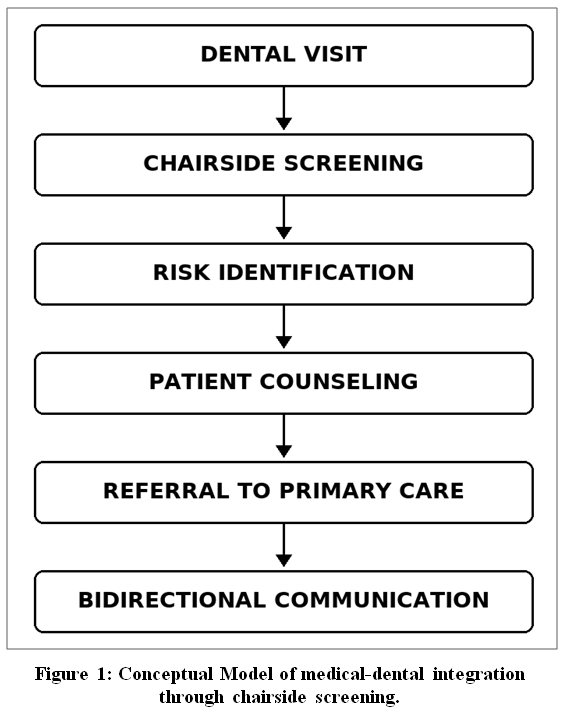 | Figure 1: Conceptual Model of medical- dental integration through chairside screening.
|
This figure illustrates the role of dental settings as points of entry for opportunistic identification of cardiometabolic risk factors. Patients presenting for routine dental care undergo chairside screening (blood pressure, glycemic testing, and selected indicators), followed by risk identification, patient counseling, and structured referral to primary care. The model emphasizes bidirectional communication and coordination between dental and medical providers, leading to improved detection, management, and continuity of care within an integrated healthcare framework.
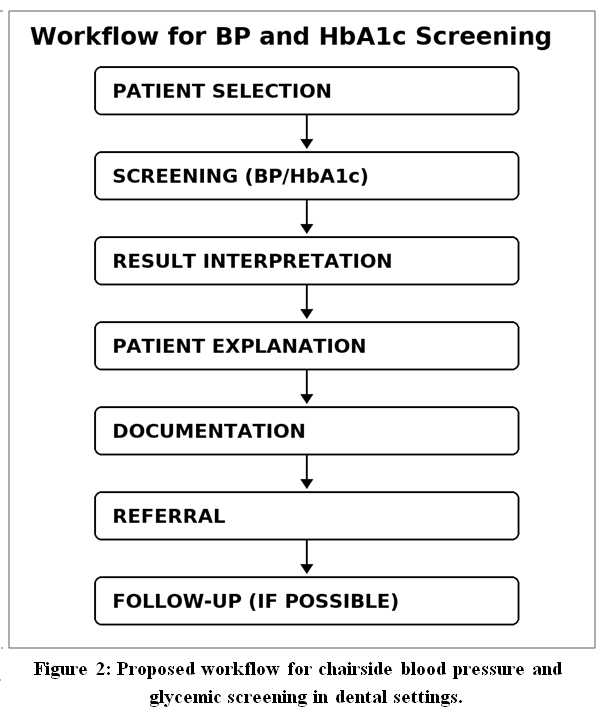 | Figure 2: Proposed workflow for chairside blood pressure and glycemic screening in dental settings.
|
This flowchart outlines a stepwise clinical workflow for implementing chairside screening in dental practice, including: (1) identification of appropriate patients based on risk factors; (2) standardized measurement using validated techniques; (3) interpretation of results using predefined thresholds; (4) clear and non-alarmist communication of findings to the patient; (5) documentation within the dental record; and (6) structured referral to primary care for further evaluation and management. Feedback and follow?up tracking are incorporated where feasible to support continuity of care.
Future Directions and Research Priorities
Several important knowledge gaps remain regarding the implementation and effectiveness of chairside screening in dental settings.
Future studies should evaluate whether screening programs ultimately improve patient outcomes through earlier diagnosis, improved chronic disease management, and reduced healthcare disparities. Longitudinal investigations examining referral completion rates and subsequent medical follow-up are particularly needed.¹?,¹¹
Further research should also compare universal and targeted screening approaches with respect to cost-effectiveness, workflow burden, and diagnostic yield. Standardized outcome measures would improve comparability across studies and enable stronger conclusions regarding best practices.
The integration of dental and medical electronic health records represents another promising area for investigation. Enhanced information sharing may improve communication between providers and facilitate tracking of referrals and outcomes.¹? Advanced technologies, including artificial intelligence–based risk prediction models, may further support efficient identification of high-risk patients.
Finally, additional studies from low- and middle-income countries are necessary. Much of the current evidence originates from North America and Europe, and greater geographic diversity would improve understanding of implementation strategies across different healthcare systems and populations.
Limitations
This review has limitations. As a narrative review, it does not include systematic meta-analysis and may be subject to selection bias. Variability in study design and population characteristics limits comparability. Many studies are feasibility-based, restricting generalizability. Future randomized and longitudinal studies are needed.
Conclusion
Chairside screening for blood pressure, blood glucose, glycated hemoglobin, and related health indicators represents an increasingly practical strategy for strengthening connections between dentistry and primary care. Dental settings provide valuable opportunities to identify previously unrecognized cardiometabolic risks among patients who may otherwise have limited engagement with medical services.
Evidence suggests that patients generally accept chairside screening and that appropriately designed programs can facilitate timely referral and follow-up. However, screening should be viewed as a risk-identification and referral strategy rather than a diagnostic service within dental practice.
Successful implementation requires standardized protocols, validated equipment, staff training, patient education, and reliable referral pathways. Enhanced communication between dental and medical providers will be essential to support continuity of care and advance integration efforts.
When incorporated into well-designed clinical workflows, chairside screening offers a practical pathway toward whole-person healthcare and stronger medical–dental integration.
Acknowledgement
The authors would like to acknowledge the support of Erlanger Community Health Center and the University of Tennessee Health Science Center College of Dentistry for providing an academic and clinical environment that facilitated this work. The authors also thank colleagues and staff who contributed to ongoing discussions on medical–dental integration and chairside screening in dental practice.
Funding Source
The author(s) received no financial support for the research, authorship, and/or publication of this article
Conflict of Interest
The authors declare no conflict of interest.
Data Availability Statement
This statement does not apply to this article.
Ethics Statement
This research did not involve human participants, animal subjects, or any material that requires ethical approval.
Informed Consent Statement
This study did not involve human participants, and therefore, informed consent was not required.
Permission to Reproduce Material from Other Sources
Not applicable
Clinical Trial Registration
This research does not involve any clinical trials.
Author Contributions
Aparnaa Upadhyaya: Conceptualization, writing – original draft, editing, final approval
Jacqueline Brown: Supervision, review and editing, final approval
References
- World Health Organization. Oral health. Published March 17, 2025. Accessed June 18, 2026. https://www.who.int/news-room/fact-sheets/detail/oral-health
- Simon L, Lamster I. Integration of primary and oral health care—an unrealized opportunity. JAMA Intern Med. 2024;184(8):869-870. doi:10.1001/jamainternmed.2024.2267
CrossRef - American Dental Association. Hypertension (high blood pressure). Updated November 1, 2022. Accessed June 18, 2026.
- American Heart Association. Ready, set, go! Quick guide: blood pressure screening and referral process in the dental setting. Published 2025. Accessed June 18, 2026.
- Abdulwahab M, Kamal M, Akbar A. Screening for high blood pressure at the dentist’s office. Clin Cosmet Investig Dent.2022;14:79-85. doi:10.2147/CCIDE.S358890
CrossRef - Doughty J, Gallier SM, Paisi M, Witton R, Daley AJ. Opportunistic health screening for cardiovascular and diabetes risk factors in primary care dental practices: experiences from a service evaluation and a call to action. Br Dent J. 2023;235(9):727-733. doi:10.1038/s41415-023-6449-6
CrossRef - American Dental Association. D0411 and D0412: ADA quick guide to in-office monitoring and documenting patient blood glucose and HbA1c levels. Published 2023. Accessed June 18, 2026.
- Laniado N, Shah P, Cloidt M, Robles E, Badner V, Sydney E. Point-of-care glycemia testing in a safety-net dental care setting: a feasibility study. J Am Dent Assoc. 2025;156(4):292-299.e1. doi:10.1016/j.adaj.2025.01.006
CrossRef - Laniado N, Cloidt MA, Badner VM. Chairside diabetes screening: a survey of dental providers at the largest municipal healthcare system in the United States. Oral Health Prev Dent. 2021;19:b2448635. doi:10.3290/j.ohpd.b2448635
- Cardenas K, Weilnau T, Aguilar C, et al. Partnering for integrated care: a learning collaborative for primary care and oral health teams. Ann Fam Med. 2023;21(suppl 2):S22-S30. doi:10.1370/afm.2918
CrossRef - Sandhu S, Houlston E, Dhadwal A, Yonel Z. Improving integrated care pathways between medical and dental specialties in the management of type 2 diabetes: a review of the literature over the last 5 years. Curr Oral Health Rep. Published online 2025. doi:10.1007/s40496-025-00420-8
CrossRef - Barzel R, Holt K, eds. Integrating oral health care into primary care: a resource guide. 2nd ed. National Maternal and Child Oral Health Resource Center, Georgetown University; 2025.
- Sansare K, Raghav M, Kasbe A, et al. Indian patients’ attitudes towards chairside screening in a dental setting for medical conditions. Int Dent J. 2015;65(5):269–276. doi:10.1111/idj.12175
CrossRef - Jadhav AN, Tarte PR, Puri SK. Dental clinic: Potential source of high-risk screening for prediabetes and type 2 diabetes. Indian J Dent Res. 2019;30(6):851–854. doi:10.4103/IJDR.IJDR_80_18
CrossRef - Vundavalli S, Babburi S, Manyam R, Indiran MA, Doppalapudi R, Baig MN. Use of oral healthcare facilities for the screening of hyperglycaemia in dental patients with undiagnosed type 2 diabetes mellitus in Andhra Pradesh, India. J Oral Maxillofac Pathol. 2025;29(2):274–280. doi:10.4103/jomfp.jomfp_302_24
CrossRef
Abbreviations
HbA1c – Glycated Hemoglobin
CDC – Centers for Disease Control and Prevention
ADA – American Dental Association